
Checking for a Warrant in Ardmore
Ardmore publishes court dates and city contact routes, but the reviewed pages did not provide a warrant lookup. Start with the citation, summons, or notice and note the court and state shown on it. City Hall can route a local question; the clerk can say what the court can confirm about a named case. Do not infer status from a calendar entry.
- Read the notice to see whether it names Ardmore City Court or Recorder’s Court.
- Call City Hall and ask which clerk handles the court or citation question.
- Give the clerk the case number, notice date, or hearing date if available.
- Use the court calendar to confirm a scheduled event only, not warrant status.
- If another county or Alabama court is named, contact that issuing court directly.
Ardmore Warrant Checks and Court Dates
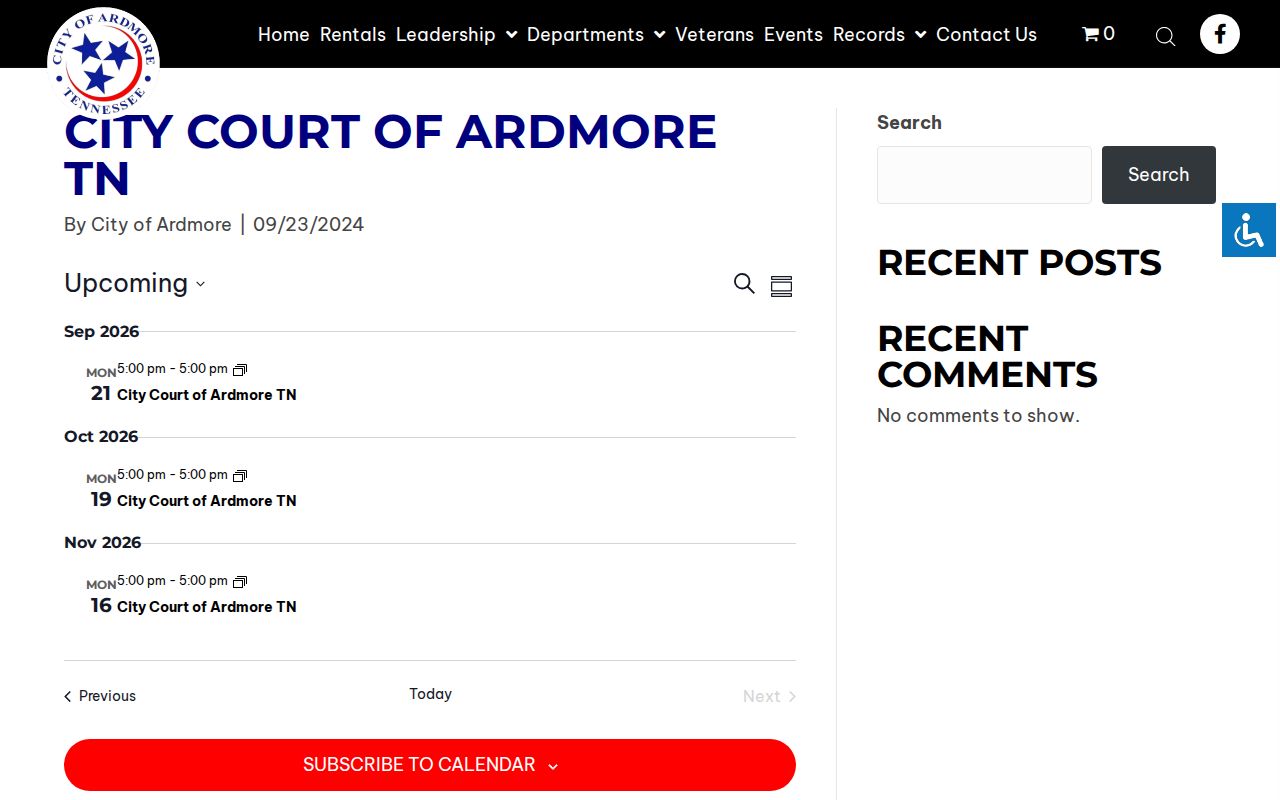
The city’s records page publishes City Court information and notices. Court generally meets on the second Thursday at 5:30 p.m.; January and July dates are generally on the third Thursday, with notices directing attendees to arrive by 5:15 p.m. These are schedule details, not a search result or promise that court will sit on a particular date.
Review the current Ardmore records and court page before relying on a schedule. Confirm the next setting with City Hall, since an event calendar can change.
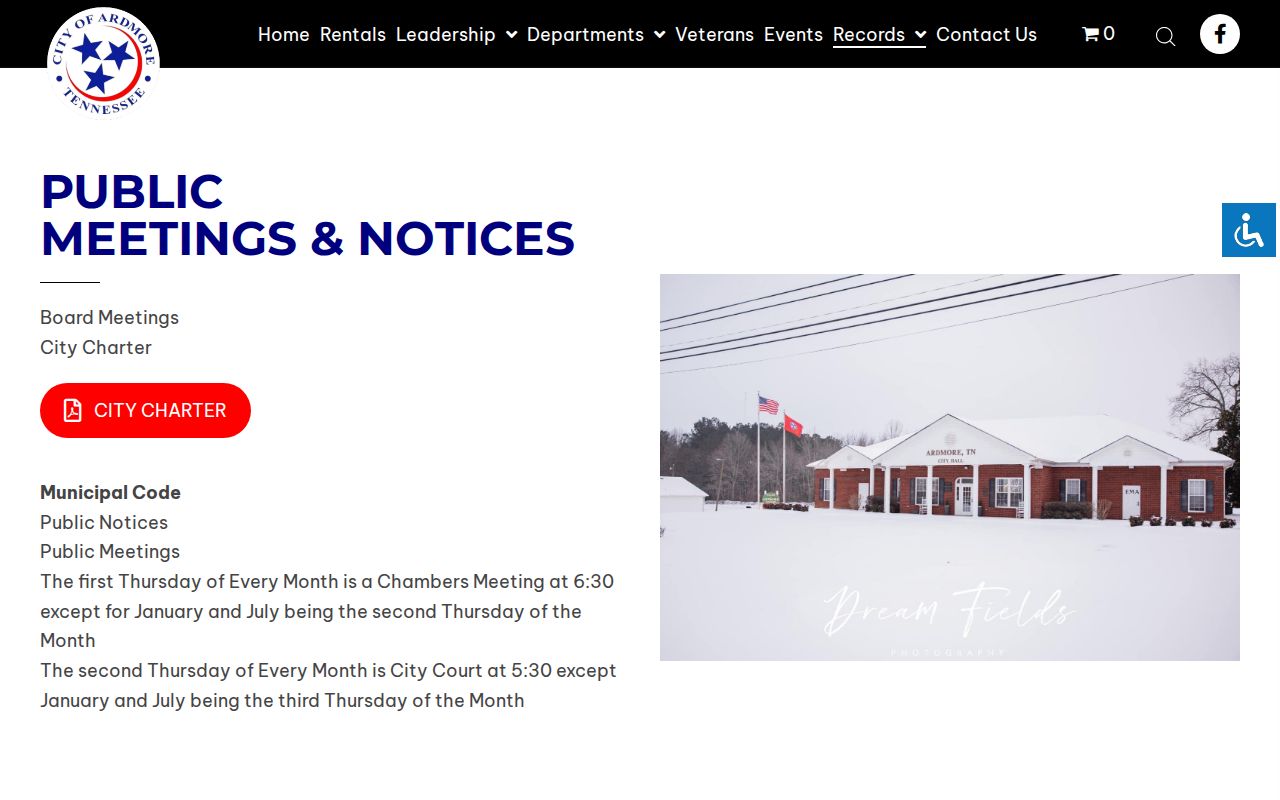
The published dates help locate a hearing; the clerk must answer questions about a case.
Ardmore Police and Municipal Court
Local notices use both City Court and Recorder’s Court terms. Police, the court, and City Hall have different roles, so a general police contact is not automatically the records custodian. The city materials offer a useful route map, but none is a searchable list for a named case.
Ardmore Charter Describes Warrant Service
The municipal charter says the police procure warrants and serve process from Recorder’s Court. It describes authority and responsibility, not a live record of whether a warrant is outstanding. Use the charter to understand the local relationship, then direct a case-specific status question to the court that issued the process.
The official Ardmore charter PDF is the source for that division of duties. It does not give a public name-search tool or a current warrant list.
Ardmore Warrant Contact Crosses a Border
Ardmore is a Tennessee municipality on the Alabama line, and its police contact is listed at an Alabama street address with an Alabama area code. City Hall and the local court are in Tennessee. That layout can confuse a caller who sees only a police listing. Identify the court and state named in the paperwork before making a request.
The official department directory lists police contact at (256) 423-2146. City Hall’s general number is (931) 427-2124. These are different contacts, and the general City Hall route may be needed to identify the correct court clerk.
Ardmore Warrant Types
Ardmore’s court materials are strongest on local Recorder’s Court process and scheduled hearings. They do not publish a catalog of current warrants, a fee table, or case-level search fields. Use the categories below to frame a question for the clerk, not to assume that a particular document exists.
| Warrant Type | How It Arises | Who Issues It |
|---|---|---|
| City ordinance matter | Ask whether a Recorder’s Court or City Court setting was ordered. | Ardmore municipal court |
| Traffic citation | Use the notice to identify the court and response date. | Named issuing court |
| Failure to appear | Ask whether the missed event led to additional process. | Judge who set the hearing |
| Police-obtained warrant | Charter addresses procurement and service, not public status. | Issuing judicial officer |
Inside an Ardmore Warrant Record
No sample warrant record or online result layout was located in the Ardmore sources. When contacting the clerk, describe the item you need: a court date, docket entry, warrant document, return, or disposition. A calendar notice alone cannot identify the parties to an unrelated case or show whether process was served.
| Case identifier | No Ardmore number format was published; use the identifier printed on your own notice. |
|---|---|
| Court name | Confirm whether the file is called City Court or Recorder’s Court in the source. |
| Scheduled event | Check the current calendar for date and venue only. |
| Process requested | State whether you seek the warrant, return, docket entry, or disposition. |
| Amount or bond | No complete current fee or bond schedule was found; verify with the clerk. |
| Current status | Ask the issuing court; no public result schema was observed. |
Ardmore City Hall Routes Court Questions
City Hall is a general starting point when a caller cannot tell which Ardmore office handles a local record. The public contact form requests a name, email, phone, and message. It is a general city contact channel, not a warrant-specific request form, and the page does not promise a response window.
Use the city’s contact page to route a question, and state that it concerns City Court or Recorder’s Court. Include the notice date or citation number if you have one.
After City Hall identifies the custodian, ask that office about the case record itself.
How Ardmore Warrants Fit the County System
Ardmore local process goes to the city court named on the notice. County criminal matters belong with their originating clerk, and a border location alone does not settle jurisdiction. If the case began in Lincoln County, use the county warrant overview for its clerk route; confirm the state and court printed on the paper first.
Warrant flow: Ardmore City or Recorder’s Court › issuing court for status › relevant county sheriff for service questions.
Ardmore Has No Public Warrant Search
The reviewed Ardmore records, calendar, police, and City Hall pages did not provide a searchable warrant roster or person lookup. The recurring court events can help a reader identify when a hearing is scheduled; they do not say whether an individual has a warrant. No public municipal payment portal was found in the reviewed sources either.
If an online search produces no result, contact the clerk named by City Hall. A missing website entry cannot establish that process was never issued, served, or recalled.
Ardmore Court Dates Need Clerk Confirmation
The court calendar is useful for locating the city’s published event schedule, but it is not organized as a case-by-case docket search. A date may shift, and a general event listing does not show whether a person’s matter is on that calendar. Confirm the date, venue, and clerk route with the city before travelling or relying on a notice copied elsewhere.
When asking about your own hearing, identify the court name and the date printed on the paper. Ask what to bring and whether the question belongs with City Court, Recorder’s Court, or another jurisdiction.
Ardmore Warrant Records and Public Access
The Tennessee Public Records Act applies to qualifying public records held by Tennessee offices, but access depends on the record and any statutory protection. A published hearing calendar is not the same as an open roster. Ask City Hall or the court custodian for the process to inspect or copy a specific existing record, and ask whether protected portions can be redacted.
Ardmore Access Rules:
Tennessee Public Records Act, Tenn. Code Ann. § 10-7-503 et seq. allows citizens to seek qualifying state and local records.
The same framework permits exemptions and redactions when another statute protects a record or its contents.
Juvenile and sealed materials may have restricted access; request a public docket entry or other non-exempt portion where available.