
Lincoln County Arrest Warrants Explained
Tennessee Rules of Criminal Procedure 3 and 4 lay out the complaint-and-warrant path. A complaint gets sworn first. A magistrate or clerk then weighs probable cause. If cause exists, the warrant issues. It commands an arrest and directs that the person be brought before a magistrate. The rule governs all of Tennessee. It creates no public Lincoln County warrant-search portal. Lincoln County's sheriff pages describe service, while the Circuit Court Clerk is the route for court status. A sealed affidavit or an active investigation can limit what gets released, even when a docket event is visible.
Lincoln County Rule 4 Warrant Process
Rule 4 gives a warrant its parts: a sworn complaint or affidavit, a probable-cause finding, an issuing signature, an identifying description, the county, the offense, and the command to arrest. Those categories come from the rule itself. Lincoln County posts no downloadable sample warrant. It uses no county-specific number format either. Rule 5 covers the initial appearance after arrest, but a statewide rule sets no Lincoln County deadline or courtroom. The clerk can say what exists. Ask the issuing clerk whether the warrant, the affidavit, or the return is open, sealed, or partly redacted.
Inside a Lincoln County Arrest Warrant
The table lists the Rule 4 parts of a warrant, not an actual Lincoln County document. No sample case or local record number exists. A public copy may black out protected material. Some papers stay closed while an affidavit or investigation is sealed.
| Complaint or affidavit | Sworn statement under Rule 3; release may depend on sealing or investigative limits. |
|---|---|
| Probable-cause finding | Rule 4 basis for a warrant or summons; not a conviction. |
| Person or description | Identifying element in the rule; do not republish individual details. |
| County and offense | Jurisdiction and alleged offense listed in the process. |
| Issuer and command | Signature and direction to arrest and bring before a magistrate. |
| Number, bond, date | No Lincoln County number format or universal bond schedule was published. |
Lincoln County Warrant Court Status and Service
For warrant status, ask the Circuit Court Clerk. The Lincoln County directory lists Lisa Simmons's office for Circuit, Criminal, General Sessions, and juvenile clerk functions. The sheriff's Patrol Division serves criminal and civil warrants. Service and case status are different jobs, so name which one you need before calling. The clerk holds the docket. The sheriff's official contact page posts a general question form and a phone number. It is not a warrant-lookup form. The page shows blank contact fields for general inquiries.

Lincoln County sheriff questions go through that channel; ask the clerk who holds the case for the court record itself.
Serving Arrest Warrants in Lincoln County
Deputies in Lincoln County serve criminal and civil warrants, the Sheriff's Patrol page says. That page promises no searchable warrant file. The Court Division does other work: courthouse security, inmate transport, and bailiff duties. A service record, a court warrant, and a jail booking are three different things. Name the one you need. After arrest, the court controls the case. The detention facility answers custody questions. No complete bond schedule appears on the jail page. For a Fayetteville, Ardmore, or Petersburg municipal matter, use that city's court or police channel unless the city directs you elsewhere.
Lincoln County City Arrest Warrant Route
City process runs apart from Lincoln County criminal cases. Fayetteville keeps a Municipal Court clerk and a city police court-information line. Ardmore's charter has its police procure warrants and serve Recorder's Court process. Petersburg's route is the City Court Clerk at Town Hall, with no warrant-specific police page. Check the court and jurisdiction printed on your notice. A city court handles traffic or ordinance matters. A county warrant belongs to the issuing county court. Payment links, city calendars, and sheriff pages answer narrow questions, so take a Lincoln County warrant status to the office holding the case.
Comparing Arrest, Summons, and Bench Warrants
An arrest warrant follows a probable-cause review; a summons orders an appearance; a bench warrant usually follows a missed court duty. The issuing court sets the label. See the Lincoln County bench-warrant process for failure-to-appear.
| Feature | Arrest Warrant | Summons | Bench Warrant |
|---|---|---|---|
| What It Orders | Arrest and appearance before a magistrate | Appear on a date or as directed | Process tied to missed court duty |
| Basis | Probable cause under Rule 4 | Summons process under court rules | Failure to appear or comply, as the court records it |
| Who Issues It | Magistrate or clerk under the rule | Court or authorized officer under the case | Issuing court |
| How to Respond | Ask counsel and the court about appearance and release | Follow the court date and instructions | Ask the court about appearance, reset, or recall |
Lincoln County Federal Warrant Route
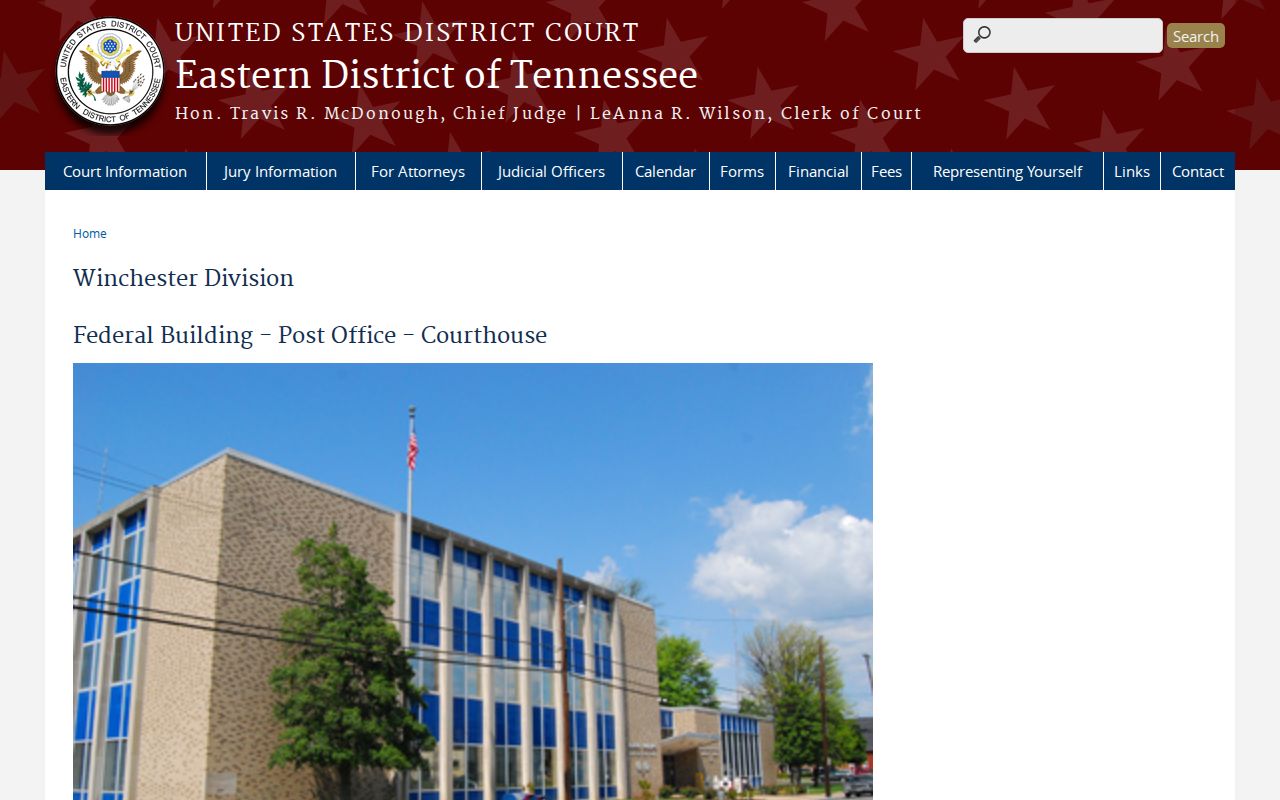
Federal matters skip the Lincoln County Sheriff entirely. Lincoln County sits in the Eastern District of Tennessee, Winchester Division. The federal court's Winchester page gives the courthouse location and a filing contact. PACER searches public federal dockets. Sealed warrants may not appear there as standalone entries. Call counsel or the federal clerk. The official Winchester Division page identifies the federal courthouse, and the county Circuit Clerk cannot confirm federal warrant status.
Keep the federal docket route separate from county and city court records.
Lincoln County Arrest Warrant and Booking Records
A detention booking and a warrant are two different records in Lincoln County. The Sheriff's jail information page handles custody questions and lists the detention line at (931) 433-3111. What it does not offer is a warrant search or a full bond schedule. If someone has been booked, detention staff can walk you through their custody procedure. Whether a warrant stands, though, or has been recalled, is a question for the issuing court and its clerk, who hold the case docket and the warrant order itself. Keep those inquiries separate from booking questions.
If There’s an Arrest Warrant for You
If the warrant is for you, call the issuing court or a lawyer before you act. Ask the clerk what public status exists. Ask whether a hearing date is set. Find out if the court wants an appearance, counsel, a motion, or some other order. The sheriff can explain how it serves papers or handles custody, but only the court can recall its warrant. Lincoln County offers no walk-in warrant window, standard bond schedule, or automatic online recall. After an arrest, the detention facility answers its public custody procedure. The court sets the legal next step. Keep copies of any receipt, order, or release paper, and confirm the record with the issuing clerk.
Important: Contact the issuing court or counsel for current instructions. Do not rely on an old notice, a same-name result, or an assumed bond amount.