
Lincoln County Active Warrants Explained
Want to know whether Lincoln County has an active warrant out for someone? The county posts no public list. On September 20, 2026, the Lincoln County Sheriff's Office site, city sources, and county government pages showed no online warrant roster for the public to browse. That gap says nothing about pending court process. A blank search result can never confirm that a warrant does not exist. "Active" and "outstanding" are statuses only the issuing court can define for its own record, and a public result may lag behind a service return, a recall, or a court order. Lincoln County runs separate county and city courts, and federal cases follow a different route entirely. So start with the court named on the notice or citation. The Sheriff's Patrol Division answers service questions. For case status, though, only the court clerk will do.
Lincoln County Warrant Lists: None Located
Lincoln County posts no warrant search and no most-wanted page. The sheriff's site covers divisions, contacts, the jail, press releases, and an app, with no roster among them. An agency can add a page at any time. Treat the gap as today's picture, not a permanent one. A missing web result is never proof that a warrant does not exist. The fallback is the clerk of the court that opened the case. The Tennessee court clerk directory instructions send warrant, arrest, and trial questions to the clerk in the county where the matter began. City citations go to the city court named on the paper. Press releases here cover events, including one older search-warrant operation. News is not a status database.
How Lincoln County Tracks Active Warrants
Lincoln County has no published roster, so there is no update schedule, inclusion rule, or search field to walk through. Nothing to type a name into. The sheriff's press-release page is a news archive, not a live list. The sheriff's app pushes community information and tips, and it advertises no warrant lookup. If a public list ever appears, look for its issuing agency, court scope, "as of" date, status definitions, and a correction contact. Until then, a clerk can explain what public docket or status information exists for a specific case. A city court may keep its own process apart from county records. Service questions go to the sheriff; docket questions do not. Note: a blank public search only describes that one channel, and it cannot confirm that court process is absent.
Lincoln County Active Warrant Fields Are Unknown
No public active-list row exists for Lincoln County, so there is no local field set to copy. A county record may or may not bundle a bond amount, charge label, date, and service status on one screen. Do not guess. Ask the clerk which existing public record answers the question. A docket entry, a copy of the process, or a return may be releasable. Records can be limited. A seal, juvenile status, or an active investigation can block release. If the instrument itself is exempt, ask whether a status or date can still be provided. Lincoln County answers these questions office by office, not through a public schema.
Inside an Active Warrant Record
Lincoln County has no publicly visible warrant-record schema. So a public inquiry splits in two. The clerk can say what docket material exists for a case. The Sheriff's Office describes Patrol as the unit that serves criminal and civil warrants, which answers service questions rather than case status.
| Case or process number | No county-wide warrant number format was published. Ask the clerk which identifier applies to the case. |
|---|---|
| Issuing court | Confirm whether the matter is Circuit/Criminal, General Sessions, a city court, or federal. |
| Public status | Ask what the court can confirm as issued, served, returned, recalled, or restricted. |
| Service record | The Sheriff’s Office handles service questions; the court keeps the underlying case record. |
| Current result | No sample row or public status field was observed; verify with the originating office. |
Lincoln County Warrants and Sheriff Service
The Patrol Division serves criminal and civil warrants. That role is stated plainly on the sheriff's own pages. What the division page lacks is a searchable warrant roster, a field table, or an update time. Case status belongs to the court clerk. Service and custody questions belong to the Sheriff's Office contact page. The Sheriff's Divisions page also covers the separate Court Division, which handles courthouse security, inmate transport, and bailiff duties. Those duties show where a question may land. They do not mean the Sheriff holds every original warrant or can change a court's order. Lincoln County's official Patrol and Court Division page sets out each unit's duties directly.
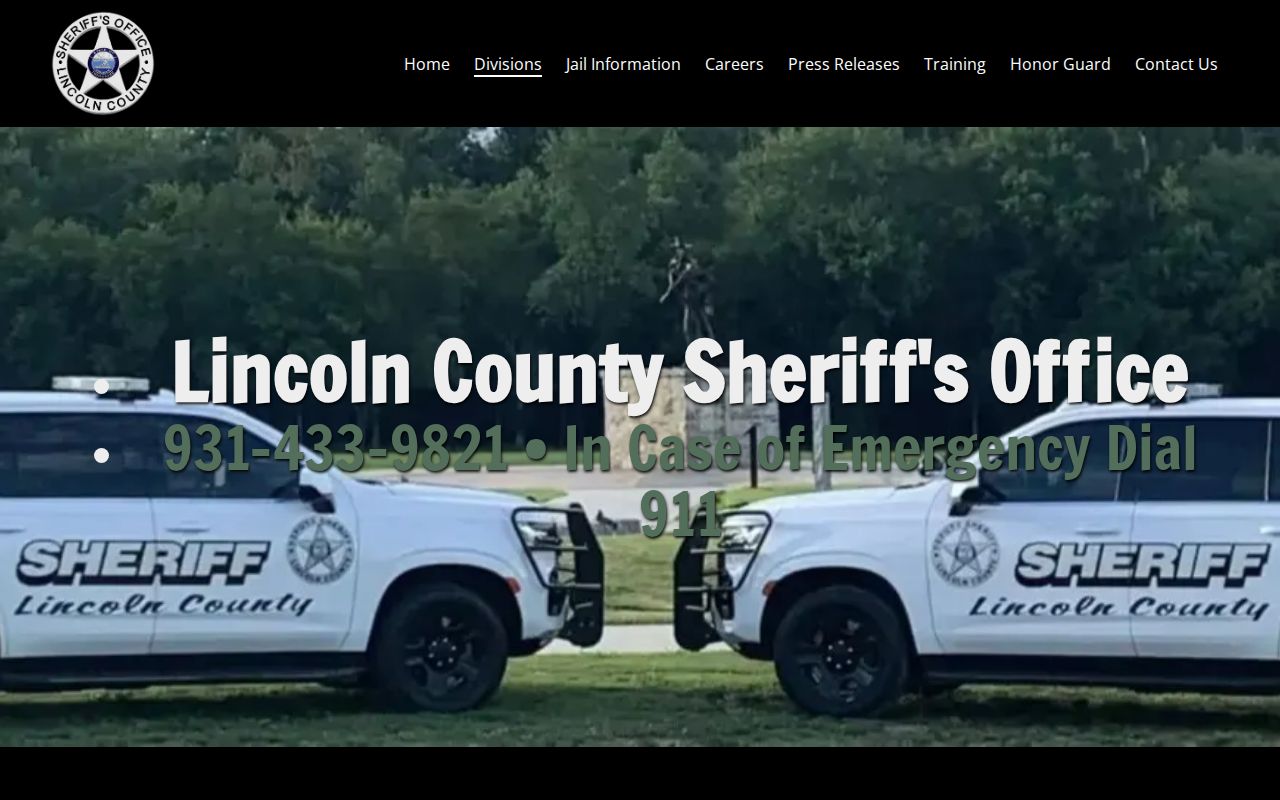
That official page describes the Sheriff's service and courthouse-security work in Lincoln County, not any list of warrant subjects.
Warrant Roundups and Most-Wanted Lists
Lincoln County runs no most-wanted page. No roundup roster and no amnesty event either. The sheriff's press releases carry event news, including one older search-warrant operation. None of it lists individuals with pending warrants, and a release can never stand in for a status database.
Key Point: Lincoln County publishes no public warrant roster. Watch the Sheriff's Office site for agency notices, and confirm any case with its issuing court.
Do not copy names or photos from news posts or third-party pages into a local list. A public notice is only as current as its source and stated update date.
Lincoln County Search Tools Have Different Scope
One online tool people often stumble onto is the Tennessee appellate case-history portal. Its search boxes take a case number, case style, party name, or business name. That sounds promising. But it only covers appeals. It will not tell you whether a Lincoln County trial court has an active warrant out. Statewide systems sit behind another wall. TNCRIM and TBI's THOR/THOR+ are restricted law-enforcement tools, not public searches, and Tennessee offers no single public warrant portal. Federal docket searches are separate again, and sealed warrant papers may never appear there. Treat the appellate page as a legal-history aid, not a Lincoln County warrant check.
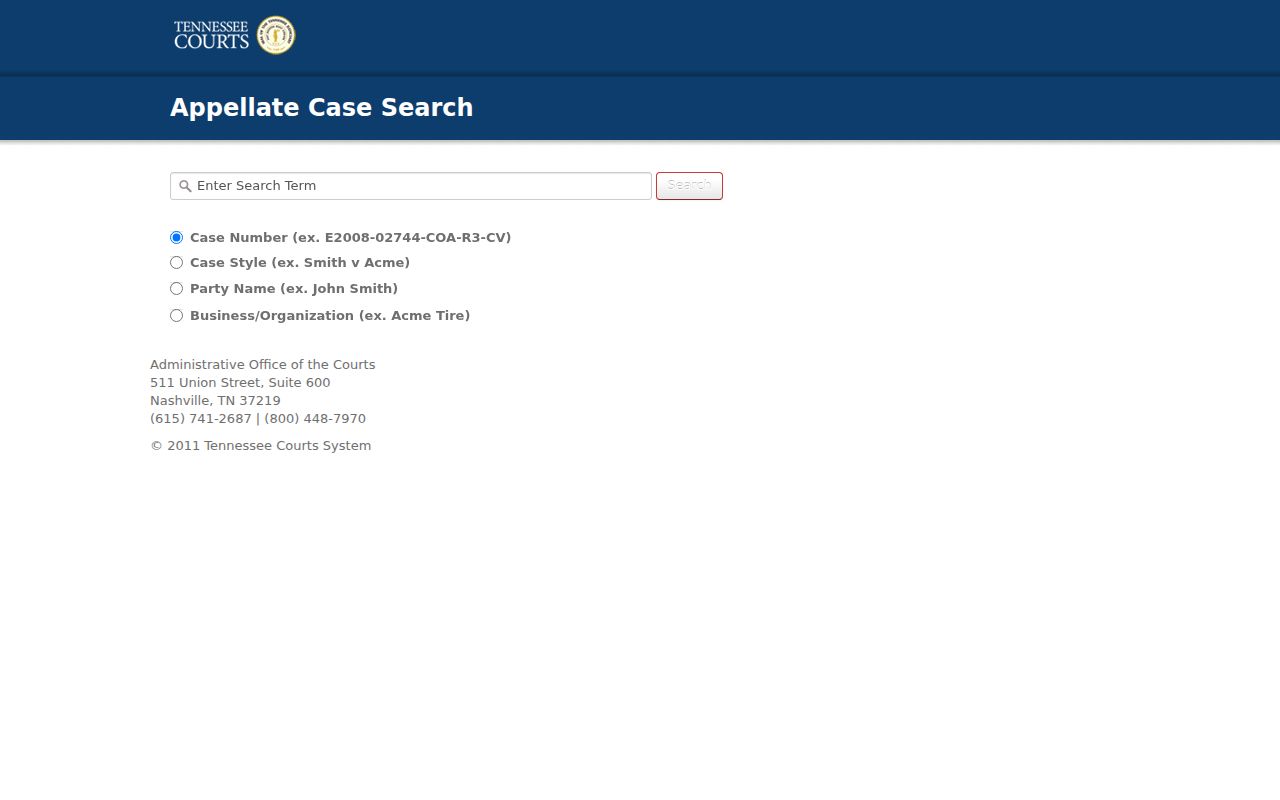
Those appeal fields answer appellate questions only. They cannot confirm any Lincoln County warrant.
When Your Name Is on the Warrant List
If the notice might involve your own case, skip the name-match guessing. Call the clerk of the issuing court. Ask about the case status, the next court date, and what the court requires of you. The judge decides whether an appearance, a payment, or a motion is needed. A lawyer can weigh a recall or quash request and help you plan a lawful appearance. For county criminal and General Sessions matters, Lincoln County lists Lisa Simmons's office as the first court contact. The Sheriff's Office handles service and custody questions on a separate track. A case that started in a city court belongs with that city's clerk instead. A traffic failure to appear can also trigger a Tennessee Department of Safety notice. Deal with that apart from the court's warrant record. The Lincoln County bench-warrant process likewise turns on which court issued the paper.
Important: Speak with the issuing court or a lawyer before acting. Do not assume that a payment receipt or a missing web result changes a warrant’s status.
Request Lincoln County Warrant Counts
Want civic data rather than a named list? Ask whether the county or a court already keeps monthly warrant counts. Put your request in writing. Name the office, the date range, and the process type you want counted, such as issued, served, returned, or recalled. Ask for an existing report, and request that personal identifiers be stripped out. The Tennessee Public Records Act stops short of forcing an office to build a new cross-court database or legal analysis. Lincoln County does publish a Public Records Policy. Read it first. Then ask the office directly which delivery method, ID rule, and copy charge apply to your request. If the office denies any part, the denial should name the legal basis and point to any non-exempt portion still available.